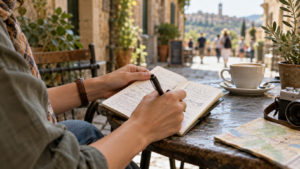
One Neighbourhood, One Day: A Different Way to Explore
A neighbourhood-sized itinerary leaves room for observation, local details, and the unexpected moments between major attractions.

A city itinerary can become a race between landmarks. Each stop looks appealing on its own, yet the day ends up shaped by queues, transfers, and the worry of falling behind. Choosing one neighbourhood for a whole day offers a different approach: fewer moves and more attention to the place immediately around you.
This is not a claim that major attractions are unimportant. A museum or historic building may be the reason for the trip. The change is to let one anchor organise the day, then explore nearby streets instead of crossing the city repeatedly to complete a list.
Build the day around a small area
Start with a clear boundary, such as the streets around a station, a waterfront, or an old market. Study the area on a map and check current access arrangements for the one place you most want to visit. Opening times, reservations, and temporary closures should be verified before setting out.
Choose a flexible route rather than a minute-by-minute plan. An anchor visit, a meal, and a walk may be enough structure. Leave an alternative for rain or tired feet. A nearby indoor stop can keep a change in conditions from forcing a complete redesign of the day.
Look for the links between places. A bakery, a public square, and a small shop may tell you more about everyday life when experienced together. Notice how buildings meet the street, where people pause, and which routes feel busy or quiet. These observations make the walk distinctive without requiring a guidebook entry for every corner.
Leave room for ordinary discoveries
Moving slowly also means being considerate. Keep doorways clear, ask before photographing people closely, and remember that residential streets are someone's home. Curiosity works best when it respects the ordinary activity already happening around you.
Carry only what makes the day easier. Water, weather-appropriate clothing, and the essentials for returning to your accommodation can matter more than a bag full of equipment. Plan rest stops according to the people travelling with you, especially when mobility, heat, or long distances affect the group.
At the end of the day, note a few details rather than trying to document everything. A conversation, a surprising building, or the atmosphere of a street can be enough. A simple record helps preserve what made the area memorable instead of reducing the experience to a count of completed stops.
Exploring one neighbourhood will leave much of the city unseen. That is part of the choice. A visit can have depth as well as breadth, and a smaller itinerary gives you the chance to leave with a clearer sense of one place rather than a blur of many.